
Getting Started Guide
Embarking on your crypto journey requires a secure foundation. Ledger hardware wallets provide the ultimate defense against online threats, ensuring your private keys remain private and your assets are always under your control. This comprehensive guide walks you through the essential steps of device initialization and security best practices to protect your digital future.
The first step is the physical setup. Begin by selecting your Ledger Nano device from the official website. Once you have your hardware, power it on and follow the on-screen prompts to complete the initial configuration. This process involves pairing your device with your computer via a secure USB connection, ensuring that your hardware is recognized and ready for use. It is critical to perform this initialization in a secure, offline environment to prevent any potential man-in-the-middle attacks during the setup phase.
Security is the cornerstone of Ledger's philosophy. After initialization, you will be prompted to set a strong, unique PIN. This PIN serves as the primary authentication factor for accessing your device. It is recommended to use a complex combination of numbers and letters, avoiding easily guessable patterns. Additionally, Ledger devices support two-factor authentication through the Ledger Live mobile application, adding another layer of protection to your account.
To maintain the highest level of security, Ledger recommends enabling the 'Cold Storage' feature. This setting ensures that your private keys are never transmitted over the internet, keeping them isolated from any potential network-based threats. Furthermore, always keep your Ledger device in a secure, physical location. Avoid leaving your hardware in public places or on your desk, as physical theft is a significant risk that can result in permanent loss of funds.
Another critical aspect of security is the use of a secure passphrase. Ledger devices allow you to store your recovery phrase in a secure, encrypted vault. This passphrase is the key to your entire wallet, so it is imperative to write it down and store it in a safe, offline location. Never share your recovery phrase with anyone, as it grants complete access to your assets. Regularly updating your device's firmware is also recommended to ensure you have the latest security patches and bug fixes.
In conclusion, Ledger hardware wallets are designed to be the ultimate safeguard for your digital wealth. By following these initialization and security best practices, you can ensure that your private keys remain private and your assets are always under your control. Remember, security is a continuous process, and staying informed about the latest threats and best practices is essential for maintaining the integrity of your crypto portfolio.

Security Architecture

Secure Element
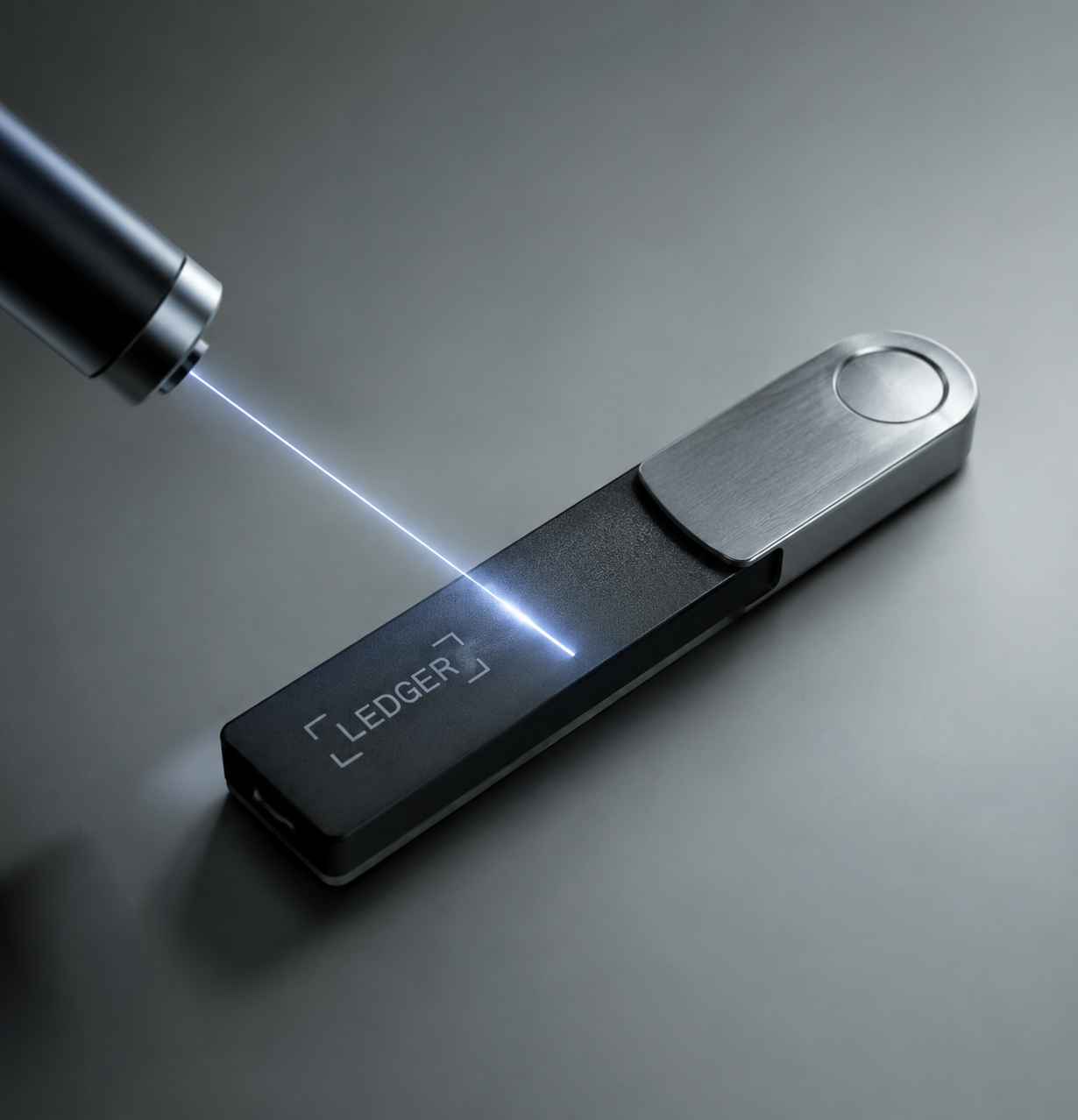
Integrated into every Ledger device, the secure element chip provides a hardware-protected environment for your private keys, ensuring they are never exposed to the internet.

BOLOS OS
Our open-source operating system is designed for maximum transparency and security. It runs entirely on the secure element, eliminating the risk of software-based attacks.

Advanced Encryption
Utilizing AES-256 encryption, Ledger hardware wallets protect your assets with industry-leading security standards, making them the most secure way to store digital assets.
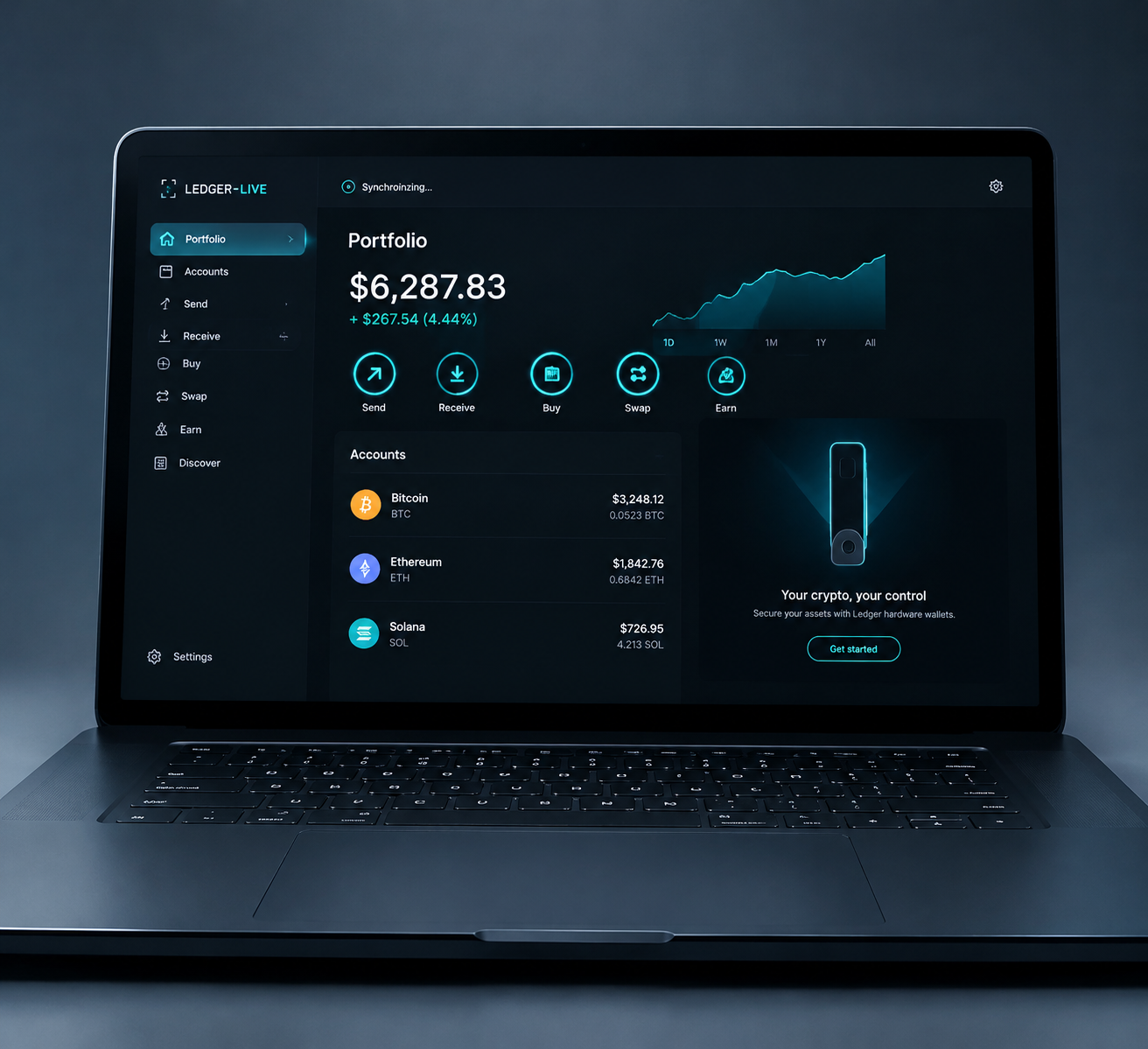
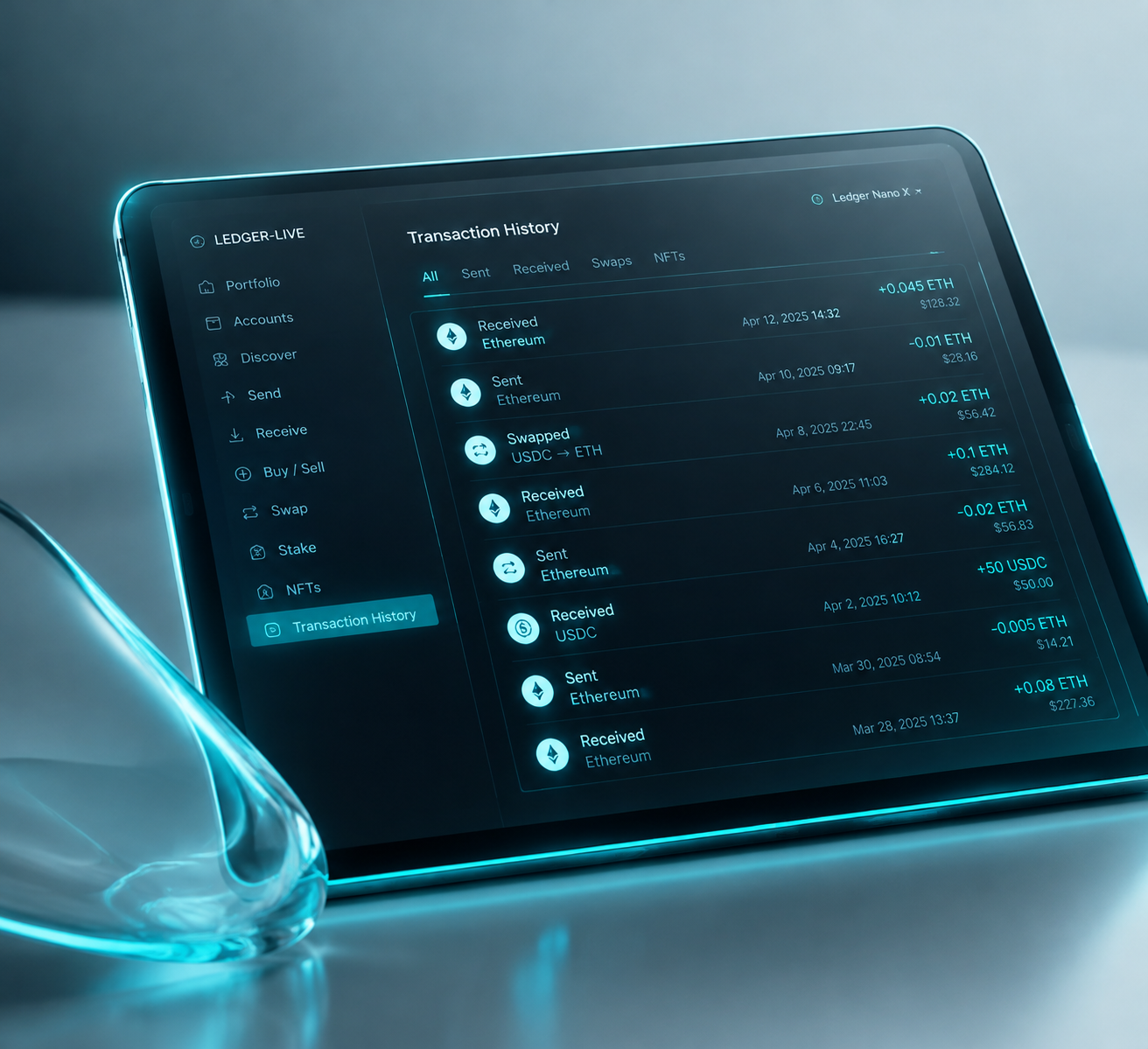
Installing Ledger Live is the first critical step in securing your crypto portfolio. Begin by downloading the official desktop application from the Ledger website. The setup process involves a secure pairing phase where your hardware wallet's unique cryptographic signature is verified against the Ledger Live server. This ensures that your private keys are never exposed to the internet, maintaining a clinical level of security. Once installed, you can manage your assets with a single click, viewing transaction history and monitoring wallet health in real-time. The interface is designed for technical precision, allowing you to navigate complex blockchain networks with ease. By following these steps, you establish a robust foundation for your onboarding journey, ensuring that your digital assets are managed with the highest level of corporate futurism and technical excellence.



Secure Ledger Live Setup
Master the Ledger Live interface to manage your digital assets with clinical precision. This step-by-step guide ensures your hardware wallet remains a fortress of security through every onboarding phase.
Common Questions
How do I set up my Ledger device?
Start by downloading the Ledger Live app on your computer or mobile device. Connect your Ledger hardware wallet via USB-C or Bluetooth, and follow the on-screen security prompts to complete your initial setup and verify your device.
Is Ledger hardware wallet safe?
Yes, Ledger hardware wallets are considered one of the most secure ways to store cryptocurrency. They keep your private keys offline, protecting them from online hackers and malware that target software wallets.
How do I recover my wallet?
If you lose your Ledger device, you can recover your wallet using your 12-word recovery seed. This seed is generated during setup and must be stored securely. Always keep your recovery seed in a safe, offline location.
Can I use Ledger on mobile?
Absolutely. Ledger Live is available for iOS and Android. You can manage your wallets, send and receive cryptocurrency, and even use Ledger's built-in security features directly from your smartphone or tablet.
What is Ledger Live?
It is the official desktop and mobile application for Ledger hardware wallets. Ledger Live provides a centralized hub for managing your assets, monitoring security, and interacting with the Ledger ecosystem.